Postpartum
Time, listening, progression
The period after childbirth is a time of deep transformation. The body needs to find its balance again gradually. The postpartum programme respects physiological timing and accompanies recovery with expertise and gentleness.
The context
The body after childbirth: a new balance
Pregnancy and childbirth profoundly change the body: posture, pelvic alignment, abdominal wall, pelvic floor, diaphragm. These changes are physiological, but recovery does not always happen completely on its own.
Postpartum osteopathy is not a rigid protocol: it is a programme that adapts to the woman, her history and the pace of her recovery.
No two bodies are the same after childbirth. Every programme starts here: from listening to the person.
The programme
Three phases of recovery
Assessment
Understanding the history of the pregnancy and birth, assessing the state of the pelvis, pelvic floor and posture.
Treatment
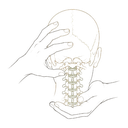
Osteopathy for rebalancing the pelvis, visceral mobility and accumulated neck and upper back tension.
Active work
Hypopressive training and OsteoPilates for the recovery of the pelvic floor, abdominal wall and stability.
Areas of work
Where the programme can make a difference
Pelvic floor
Recovery of tone and function, with attention to hypotonia, hypertonia and perineal awareness.
Diastasis recti
Work on the linea alba by rebalancing internal pressures.
Pelvis and posture
Rebalancing the pelvis and spine after the changes of pregnancy.
Neck tension
Pain and stiffness made worse by breastfeeding and new everyday postures.
Caesarean scar
Manual work on adhesions to support tissue mobility.
Breathing and diaphragm
Recovery of breathing mechanics altered during pregnancy.
Frequently asked questions
On the postpartum programme
When can I start?
Is the programme useful for diastasis?
Can I bring my baby?
Your programme
Listen to your body, respect your own pace
Contact me for a postpartum assessment. Every programme is individual.
Request an appointment