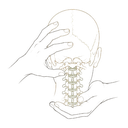
TMJ / Bruxism
Not just the jaw
TMJ disorders involve much more than the jaw. Neck tension, headaches, breathing difficulties, stress: the picture is often complex. Osteopathy may help reduce tension and support better functional balance.
Understanding
The TMJ: a joint at the centre of everything
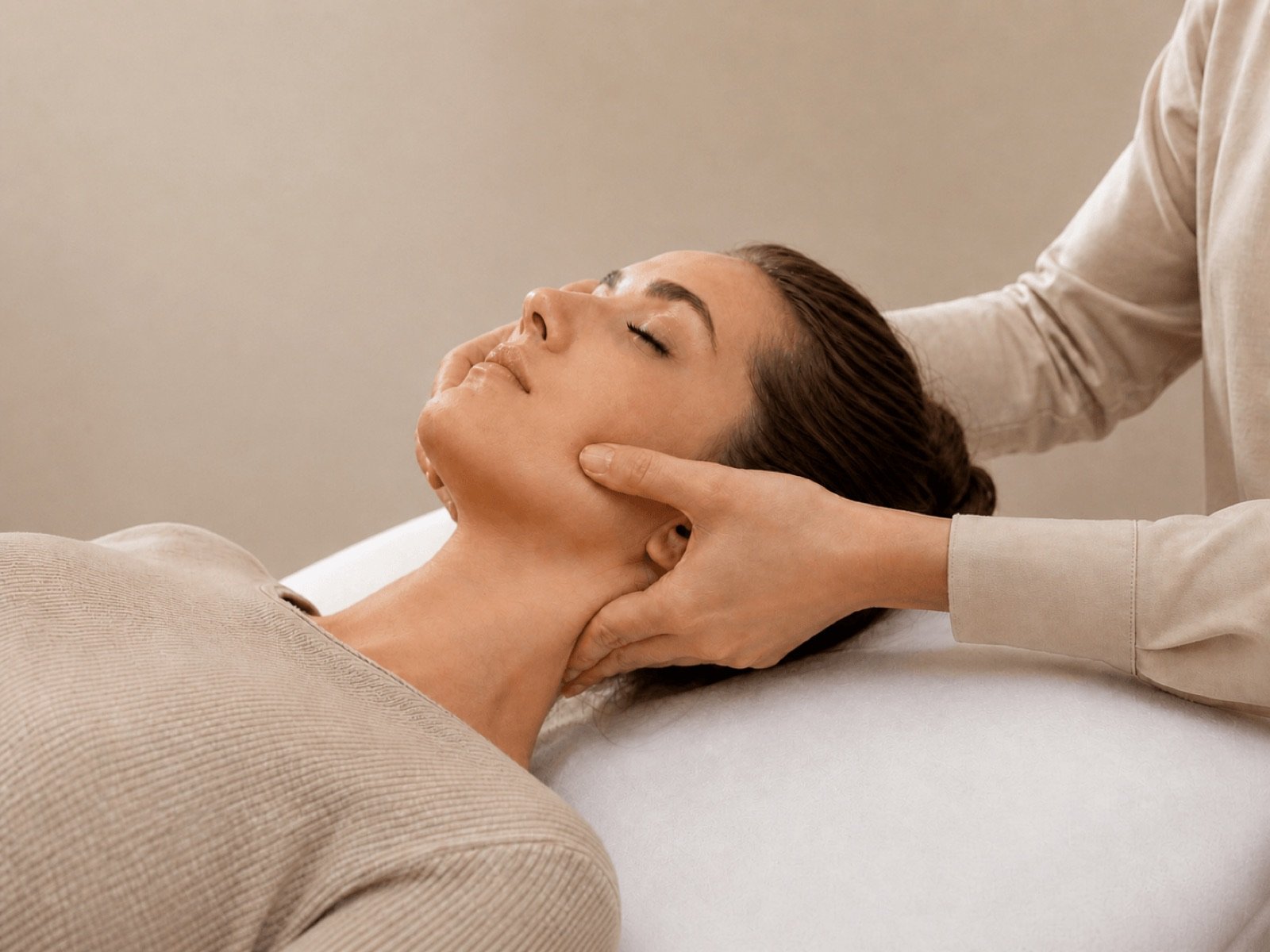
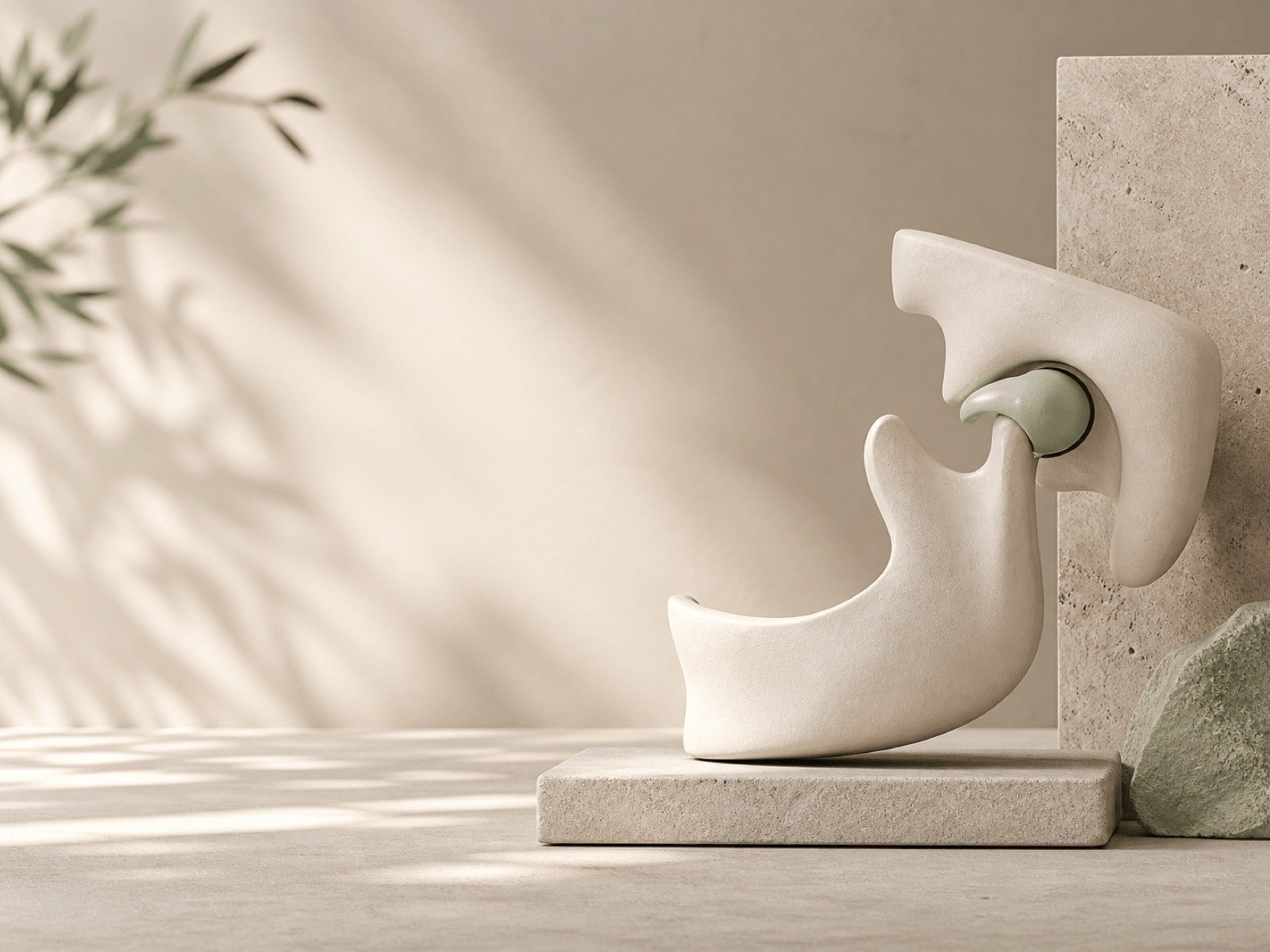
The temporomandibular joint is one of the most used joints in the body. Bruxism is one of the most common manifestations, often linked to stress and overload. But it is a symptom, not the cause.
Osteopathy looks at the TMJ as part of a wider system: jaw, skull, neck, posture, breathing.
Manifestations
Signs linked to the TMJ
Clicking and grinding
Joint noises when opening or closing the mouth.
Jaw pain
Pain in the TMJ area, in front of the ear, when chewing.
Limited opening
Difficulty opening the mouth, with a feeling of locking or deviation.
Neck pain
Neck pain and stiffness associated with tension in the chewing muscles.
Tension-type headache
Headache linked to tension in the temporalis and masseter muscles.
Tinnitus
A feeling of pressure in the ear and ringing associated with TMJ dysfunction.
Frequently asked questions
On TMJ and bruxism
Can osteopathy help with bruxism?
How many sessions are needed?
Do I need to have a night guard already?
Reduce tension
Start with an assessment
If you feel tension in your jaw, neck pain or joint clicking, an osteopathic assessment can help you.
Request an appointment